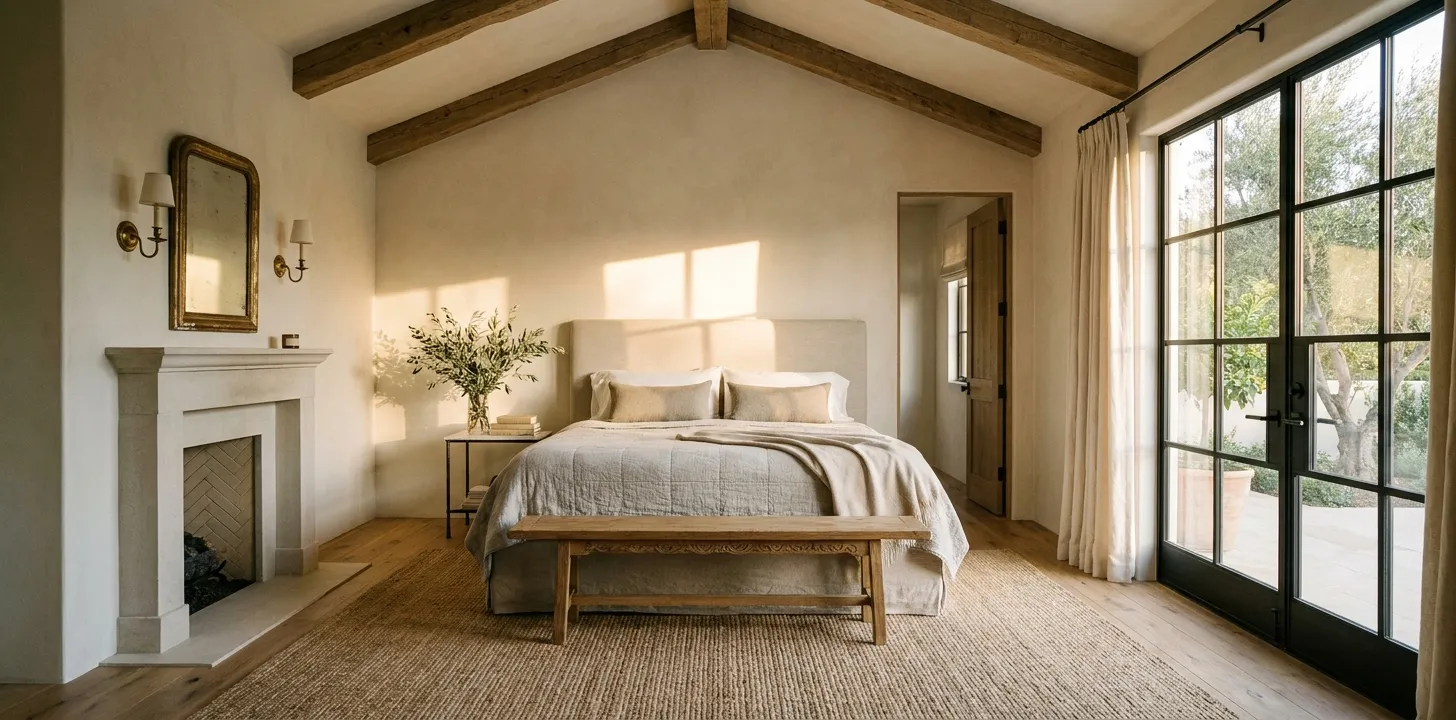
Adding a single room — one bedroom, one home office, one family room — is by a wide margin the most common addition project in Arcadia. It is also the project most poorly served by online cost calculators, which typically quote a generic "$50K to $150K" range that fits no specific room type and no specific Phoenix-area scope. This piece breaks single-room additions into the four room types that account for nearly all real projects (bedroom, home office, family room, bedroom + bath combination) and shows what each one costs in Phoenix in 2026, calibrated against City of Phoenix permit data and 19 completed Phoenix-area single-room addition projects.
The four single-room addition types — cost summary
| Room type | Typical size | Cost per sqft | Typical project cost | ARV recovery |
|---|---|---|---|---|
| Bedroom (standalone) | 200–300 sqft | $255–$430/sqft | $50K–$140K | 75%–95% |
| Home office (standalone) | 160–240 sqft | $255–$420/sqft | $40K–$110K | 50%–75% |
| Family room / great room | 300–500 sqft | $255–$420/sqft | $75K–$220K | 70%–95% |
| Bedroom + 3/4 bath | 280–400 sqft | $320–$560/sqft | $90K–$220K | 85%–110% |
All-in cost including GC overhead (12%), pre-construction services, permits, and 12% contingency. Standalone rooms (no plumbing) run lower $/sqft; rooms with bathrooms run higher because of plumbing density.
Bedroom addition: $50K–$140K
A standalone bedroom addition — primary or secondary, no ensuite bathroom — runs $255–$430 per square foot all-in in Phoenix in 2026. The wide range reflects finish tier and whether the bedroom includes a walk-in closet (which adds 40–80 sqft and roughly $12K–$25K of cabinet and millwork).
| Size | Standard ($265/sqft) | Midrange ($340/sqft) | Premium ($410/sqft) |
|---|---|---|---|
| 200 sqft (small bedroom) | $53K | $68K | $82K |
| 250 sqft (standard bedroom) | $66K | $85K | $103K |
| 300 sqft (large bedroom + closet) | $80K | $102K | $123K |
| 350 sqft (primary bedroom + walk-in closet) | $93K | $119K | $144K |
No bathroom included. Bedrooms designed as primary suites with attached bathrooms run notably higher (see "Bedroom + 3/4 bath" section).
ARV recovery on a standalone bedroom addition is 75%–95% in Arcadia. The recovery rate is strongest when the bedroom takes the home from 3 bedrooms to 4 (a discrete comp-tier shift) or from 4 bedrooms to 5 (less common, less ARV impact). Adding a 5th or 6th bedroom in a home that already has 4+ rarely justifies the cost — most Arcadia buyers value home size in the 1,800–3,200 sqft range with 3–4 bedrooms, so additions beyond that range don't fully amortize.
Home office addition: $40K–$110K
A standalone home office addition runs $255–$420 per square foot all-in in Phoenix in 2026 — similar $/sqft to a bedroom because the structural and MEP requirements are nearly identical. The cost difference vs. a bedroom is primarily in scale: home offices are typically 160–240 sqft (smaller than bedrooms), and rarely include closet millwork.
ARV recovery on a home office addition is the weakest of single-room types at 50%–75%. The reason is appraisal classification: most appraisers treat a room without a closet as "non-bedroom" living area, which counts differently in comp analyses. If you want the room to function as a home office today but be classified as a bedroom for resale, include a closet — the $4K–$12K closet cost typically pays back in ARV.
The post-2020 remote work shift made home offices a meaningful value driver in some markets, but Phoenix appraisal data through 2026 still shows offices recover less ARV than bedrooms [1]. Build the office for the lifestyle case primarily; treat ARV as secondary.
Family room / great room addition: $75K–$220K
A family room or great room addition runs $255–$420 per square foot all-in in Phoenix in 2026 at typical sizes (300–500 sqft). The cost can climb to $480/sqft at the high end when the room includes vaulted ceilings, large window walls, a fireplace, or built-in millwork.
| Size | Midrange ($340/sqft) | Premium ($425/sqft) |
|---|---|---|
| 300 sqft | $102K | $128K |
| 400 sqft | $136K | $170K |
| 500 sqft | $170K | $213K |
| 600 sqft (great room with vaulted ceiling, fireplace) | $204K | $255K |
Larger great rooms with feature elements (vaulted ceilings, picture windows, fireplaces) push to the premium tier and beyond.
Family room additions in Arcadia are most often paired with a kitchen extension — converting an existing galley kitchen into an open-plan kitchen-and-family-room combination. When that combination is the project, see home-addition-cost-2026 for the kitchen extension cost layered on top of the family room scope.
Bedroom + 3/4 bath (suite-style addition): $90K–$220K
A bedroom paired with a 3/4 bathroom (toilet, sink, walk-in shower — no tub) is the most cost-efficient way to add a true suite-style accommodation that functions as a guest suite, in-law suite, or secondary primary. Cost runs $320–$560 per square foot in Phoenix in 2026, with the wide range driven by the bathroom finish tier.
| Configuration | Total sqft | Cost range |
|---|---|---|
| Small bedroom (200 sqft) + 3/4 bath (45 sqft) | 245 sqft | $78K–$137K |
| Standard bedroom (250 sqft) + 3/4 bath (50 sqft) | 300 sqft | $96K–$168K |
| Large bedroom (300 sqft) + 3/4 bath (55 sqft) | 355 sqft | $114K–$199K |
| Primary bedroom (350 sqft) + walk-in closet (50 sqft) + 3/4 bath (55 sqft) | 455 sqft | $146K–$255K |
A 3/4 bath has a walk-in shower instead of a tub-shower combo. Substituting a full bath (with tub-shower) adds $4K–$8K to bathroom cost.
ARV recovery on a bedroom + bath combination is 85%–110% — the strongest of any single-room addition type because it triggers two discrete appraisal shifts: bedroom count up by 1 and bathroom count up by 0.75 or 1. Both threshold crossings unlock comp ceiling. The bedroom + bath combination is also the most common configuration when families add an in-law suite or a primary suite to a home with insufficient bedrooms.
What drives quote variance on a single-room addition
A 250-sqft bedroom addition in Arcadia can be quoted anywhere from $58K to $105K depending on five variables:
- Foundation type. New concrete slab pour: $12K–$22K for a 250-sqft footprint including grading, vapor barrier, rebar, and finish. Existing slab extension where the new room ties into an existing pad: $5K–$11K. The structural engineer's call on which is required depends on grade, soil, and the existing slab's condition.
- Roof tie-in. Matching the existing roof line vs. a separate roof system makes a meaningful cost difference. A gable extension that ties into the existing roof structure: $8K–$15K. A shed roof that abuts the existing wall: $5K–$9K. A separately framed roof that doesn't tie in: $14K–$24K (and looks awkward on a 1950s ranch).
- Window scope. Standard windows (vinyl, double-hung, 30x48): $400–$700 installed each. Premium windows (wood-framed, picture, large operable): $1,200–$2,800 installed each. A 250-sqft bedroom typically has 2–4 windows. Premium window scope alone adds $3K–$8K.
- HVAC extension. Extending the existing duct system into the new room: $2,500–$4,500. Adding a dedicated mini-split: $4,500–$7,500. Original 1950s Arcadia HVAC systems typically don't have spare capacity for a 250-sqft addition without a duct re-zoning analysis.
- Finish tier. Standard finishes (LVP flooring, builder-grade interior doors, basic trim): $14K–$20K total. Midrange (engineered hardwood, solid-core doors, paneled trim): $20K–$30K. Premium (white oak flooring, walnut doors, custom millwork wainscoting): $32K–$58K.
Cost composition — a $82,000 standalone bedroom addition
| Line item | Cost | % of total |
|---|---|---|
| Site work, grading | $3,200 | 3.9% |
| Foundation (slab extension) | $8,400 | 10.2% |
| Framing (walls, roof) | $11,500 | 14.0% |
| Roof tie-in (gable extension) | $6,800 | 8.3% |
| Windows (3 standard double-hungs) | $2,600 | 3.2% |
| Exterior cladding (stucco to match) | $5,200 | 6.3% |
| HVAC (duct extension) | $3,800 | 4.6% |
| Electrical (rough + finish + lighting) | $5,500 | 6.7% |
| Insulation (walls, ceiling) | $3,200 | 3.9% |
| Drywall, taping, paint | $6,800 | 8.3% |
| Flooring (engineered hardwood) | $5,800 | 7.1% |
| Interior trim, paint, finish carpentry | $4,200 | 5.1% |
| Interior door + closet | $2,200 | 2.7% |
| Labor (general) | $6,400 | 7.8% |
| GC overhead (12%) | $8,000 | 9.8% |
| Permits, design, contingency | $8,400 | 10.2% |
Representative composition from a 2025 Arcadia bedroom addition. Total all-in: $82,000.
Phoenix-specific factors that change room addition cost
- Slab thermal break. Phoenix-specific energy code requires R-15 perimeter insulation on slab edges to mitigate heat gain. Older Arcadia foundations don't have this. On a slab extension, the entire perimeter of the new addition needs the thermal break detail: $1,800–$3,400 added vs. a non-Phoenix specification.
- HVAC sizing for monsoon humidity + dry heat. Phoenix HVAC sizing is governed by both peak summer temperatures (110°F+) and monsoon humidity. The Manual J load calculation specific to Phoenix typically calls for 1 ton per 500–700 conditioned sqft, vs. 1 ton per 800–1,000 sqft in milder climates. A 280-sqft addition often pushes the existing HVAC system over its design capacity and requires either a duct re-zoning or a dedicated mini-split.
- Exterior cladding match. Original Arcadia ranches have a specific stucco finish texture (Santa Barbara or smooth float, depending on subdivision). Matching the existing texture on a new addition requires a stucco contractor experienced with the period — generic stucco contractors produce visible texture differences that hurt resale value. Specialist labor: $2–$4/sqft premium over generic stucco.
- Permit timeline. City of Phoenix residential addition permits typically take 12–18 weeks from application to issued permit in 2026. Plan-review re-submittals (about 35% of permits require one re-submittal) add 4–8 weeks. The permit timeline is part of the project clock; budget accordingly.
- Setback compliance. R1-6 zoning requires 25-foot front setbacks, 5-foot side setbacks, 25-foot rear setbacks, and 50% maximum lot coverage. Most Arcadia lots are 7,000–10,000 sqft. A 400-sqft addition typically fits within setbacks, but verify with a site survey before design — encroachment requires a variance application (8–14 weeks added, $1,500–$3,500 in fees, no guarantee of approval).
How to finance a room addition in Arizona
Single-room additions land in the $40K–$220K range across the four room types. Below $80K (small bedrooms, home offices), a HELOC is the most common financing path. Above $120K (large bedrooms with bathrooms, family rooms, full primary suites), an ARV-based renovation loan from a portfolio lender often makes more sense — the loan is sized on the after-renovation appraised value, which captures the manufactured equity the addition creates.
For the full Arizona renovation loan product comparison, see Renovation Loans in Arizona.
How to budget a room addition before talking to a contractor
- Choose the room type: standalone bedroom, home office, family room, or bedroom + bath combination.
- Define the size. Most Arcadia single-room additions are 250–450 sqft. Smaller than 200 sqft is rare; larger than 500 sqft becomes a multi-room addition and uses different math.
- Multiply by the midpoint $/sqft: bedroom ~$340/sqft, home office ~$335/sqft, family room ~$345/sqft, bedroom + bath ~$440/sqft.
- Add 15% if the addition is far from existing MEP (HVAC, electrical panel, plumbing). Phoenix-specific: add 5%–10% if the existing HVAC system needs an upgrade to handle the new load.
- Add 12% contingency. Standard Phoenix risks: slab discoveries, HVAC capacity issues, setback variances, and roof tie-in complications.